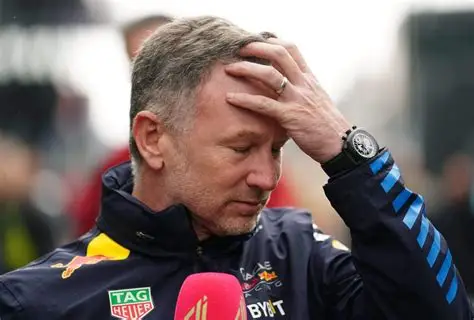
Red Bull Racing has officially parted ways with long-serving team principal Christian Horner, marking the end of a transformative 20-year era for the Formula One giants. Horner, who had been at the helm since the team’s F1 debut in 2005, leaves behind a legacy of championships, controversy, and unparalleled influence within the sport. His unexpected departure has thrown a spotlight on the future of Max Verstappen and the direction the team may take under its new leadership.
Laurent Mekies has been appointed as Horner’s successor, stepping into one of the sport’s most scrutinized roles. The former Ferrari sporting director admitted that the opportunity “feels unreal,” acknowledging the magnitude of following in Horner’s footsteps. Mekies will not only be expected to maintain the team’s competitive edge but also to ensure Verstappen remains committed amid swirling speculation about his long-term allegiance.
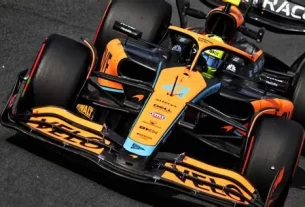
The timing of Horner’s dismissal is particularly delicate. Red Bull is facing increasing pressure this season with McLaren closing in on the Constructors’ Championship and Verstappen trailing Oscar Piastri by 69 points in the drivers’ standings. While Red Bull remains competitive, their dominance is no longer a guarantee, and the internal power dynamics have grown increasingly complex.
Verstappen’s contract, which runs through 2028, reportedly includes a performance clause that may allow him to exit should he fall outside the top four before the summer break. Currently, he sits second in the standings, with a healthy 46-point cushion above fifth-placed Charles Leclerc. But with two races remaining before the break—Belgium and Hungary—the margin could still narrow.
The Verstappen camp has been central to recent tension within the team. Last year, his father, Jos Verstappen, was involved in a public feud with Horner following internal allegations of inappropriate conduct—allegations Horner denied and was later cleared of. Jos openly criticized the team’s leadership, declaring in March 2024 that Red Bull was “falling apart” and warning that Max could consider leaving if the environment didn’t improve.
The feud reignited later in the season when Jos accused Horner of preventing him from taking part in the Legends Parade at the Austrian Grand Prix, an incident Max described as “not nice” and “avoidable.” Despite the personal tensions, Verstappen never publicly criticized Horner and has largely remained focused on performance. Following the announcement of Horner’s exit, Verstappen paid tribute to the departing team boss, writing on social media: “From my first race win, to four world championships, we have shared incredible successes… Thank you for everything, Christian!”
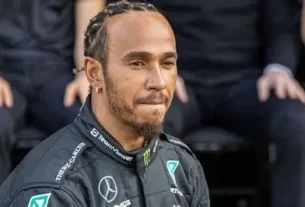
Behind the scenes, Verstappen’s future is the subject of intense speculation. Mercedes team boss Toto Wolff has confirmed conversations with Verstappen’s camp—led by his father and manager Raymond Vermeulen—about a potential move. Should Verstappen leave Red Bull, George Russell’s seat at Mercedes would be under threat, though Wolff indicated any driver decision would be made during the summer break.
Christian Horner, in his final appearances before his exit, appeared to make a subtle appeal for Verstappen to stay, emphasizing that Red Bull would remain competitive under the 2026 engine regulation changes. Yet some pundits believe the move to oust Horner may have been influenced by Verstappen’s camp as a means to stabilize the team dynamic and retain the Dutch driver.
Ted Kravitz questioned the long-term implications, wondering if Red Bull might have traded Horner’s leadership for short-term appeasement, only to risk losing Verstappen anyway by 2027. With a completely new power unit set to debut next year, Red Bull’s success under the new rules is far from guaranteed, and Horner’s absence may leave a strategic gap if the transition proves rocky.
Laurent Mekies represents a stark contrast in leadership style. Known for his technical acumen and diplomatic demeanor, he is expected to bring a quieter, more analytical approach. This places Red Bull in line with other teams such as McLaren and Aston Martin, which also favor engineers-turned-principals. Still, some insiders worry that the team may miss Horner’s ability to navigate the sport’s political battleground and rally the organization during difficult stretches.
Throughout his tenure, Horner was known for maintaining Red Bull’s influence both on and off the track. His behind-the-scenes negotiations, power plays, and public posturing were as much a part of the team’s success as its engineering excellence. According to former driver Karun Chandhok, Horner “played the politics of F1 very well” and had a knack for securing strategic advantages with governing bodies and commercial stakeholders alike.
With the Belgian Grand Prix fast approaching, the focus will inevitably return to the track. But the pressure on Red Bull to perform—and on Mekies to steer the ship with stability—will be immense. The next two races before the summer break could prove decisive not only for Verstappen’s championship hopes but also for determining whether Red Bull can sustain its place at the pinnacle of Formula 1 without the man who built it.